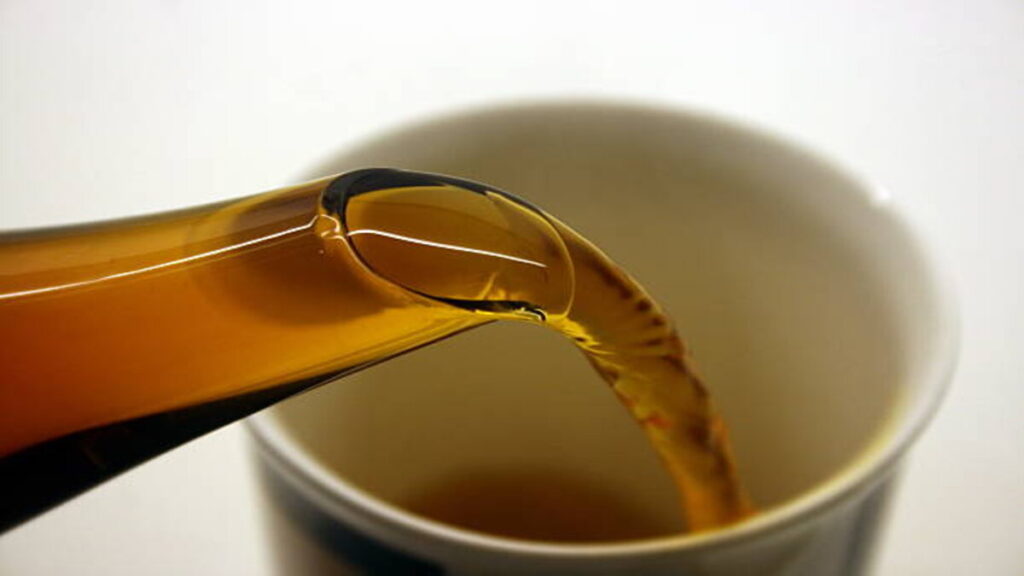
Tea being poured from a glass teapot into a cup, symbolizing traditional tea-serving culture.(Stock Photo)
Falkirk, Scotland — A man who ran a fraudulent tea operation using the name “The Wee Tea Plantation” has been convicted of selling fake Scottish tea worth over £580,000 to luxury hotels, shops, and clients in the hospitality sector.
Convicted After Five-Year Scheme Selling Fake Scottish Tea
Thomas Robinson, 52, misrepresented basic wholesale tea as a premium Scottish-grown product. Operating under aliases including Tam O’Braan and Thomas O’Brien, Robinson convinced clients that the tea originated from a Perthshire estate using specialized growing techniques.
Between January 2014 and February 2019, his company supplied high-end buyers with mislabeled products such as “Dalreoch White,” “Silver Needles,” “Highland Green,” and “Scottish Antlers Tea,” claiming they were exclusive Scottish varieties.
Hospitality Industry Among the Victims of Fake Scottish Tea
Clients deceived by the fake Scottish tea included high-profile hospitality brands like Caledonian Sleeper and the Royal Botanic Garden Edinburgh. The fraud extended beyond buyers—genuine Scottish tea growers were also affected after being sold false plant stock under the pretense of local authenticity.
Food Standards Scotland (FSS) investigated the case, revealing that Robinson fabricated awards, academic credentials, and supplier relationships to boost credibility. According to FSS, total losses across affected businesses reached £584,783.
Legal Outcome and Industry Response to Tea Fraud Case
A jury at Falkirk Sheriff Court found Robinson guilty of two counts of fraud. He is scheduled for sentencing at Stirling Sheriff Court on 25 June.
Ron McNaughton, head of the Scottish food crime and incidents unit, said Robinson’s conduct had caused serious damage. “This was not a victimless crime. Individuals, businesses, and an emerging sector of genuine Scottish tea growers suffered real financial and reputational harm as a result of deliberate deception,” he stated.
Food Crime Watchdogs Urge Vigilance Against Fake Scottish Tea
McNaughton credited a key witness who came forward and emphasized the challenges of identifying and prosecuting food fraud cases. The conviction marks a significant win in Food Standards Scotland’s efforts to uphold consumer trust and protect emerging industries from fraudulent actors.
Also Read: EU and UK Negotiators Finalize Deal to Reset Post-Brexit Ties
The fake Scottish tea scheme has raised broader concerns about oversight within niche agricultural sectors and the susceptibility of boutique food markets to deception.