The president said the directive authorises security agencies to recruit thousands of additional personnel to boost field operations. The police are expected to take in 20,000 new officers, raising their total recruitment figure to 50,000 across existing and upgraded training centres.
The statement added that National Youth Service Corps camps may now function as police training depots under temporary authorisation. The government said the measure is intended to scale up manpower readiness and place more units on operational duty.
Nationwide Security Emergency and Expanded Deployment Measures
President Tinubu said officers withdrawn from VIP protection roles will undergo crash retraining before deployment to vulnerable regions. He noted that the aim is to strengthen police presence in locations that have experienced repeated attacks on schools and rural communities.
The Department of State Services has also been authorised to deploy forest guards to areas where armed groups operate. According to the statement, the agency will increase recruitment to reinforce its forest-security strategy and conduct targeted sweeps against bandit networks.
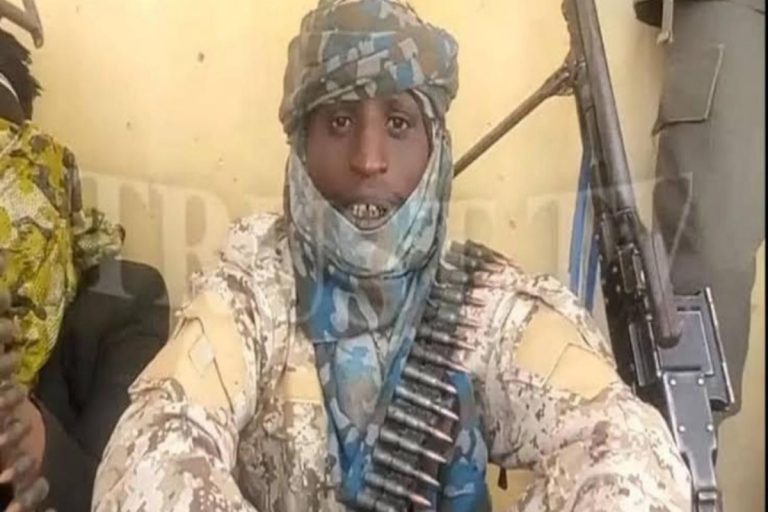
The declaration comes after several incidents of mass abductions that security analysts say intensified public demand for government action. A BBC report earlier this year noted that kidnappings in remote communities had stretched the capabilities of local policing structures.
President Cites Nationwide Security Emergency in New Policy Actions
The government said the new measures represent a coordinated national response to rising insecurity in rural and peri-urban regions. The president stated that the situation required what he called “all hands on deck,” urging citizens to support ongoing operations and report suspicious activities.
He commended security agencies for securing the recent release of 24 abducted schoolgirls in Kebbi State. Officials also confirmed that 38 worshippers taken in Kwara State were recovered through a joint operation involving federal and state forces.
The president said efforts continue to secure remaining hostages from an abduction at a Catholic school in Niger State. Local authorities previously told Reuters that intermittent attacks on schools have complicated rescue efforts across several northern states.
Security Agencies Receive Additional Responsibilities Under Nationwide Security Emergency
In the statement, President Tinubu urged members of the armed forces to maintain discipline and integrity in line with military doctrine. He said their role in stabilising affected regions remained essential to national cohesion.
The president also reaffirmed that the federal government will support state-level security outfits established to protect local communities. Analysts say the approach mirrors past efforts seen in states such as Lagos and Ondo that developed regional response models.
The announcement echoes recommendations made in a 2021 security reform report calling for more decentralised policing options. That report, widely cited in Nigerian media, highlighted challenges tied to limited federal manpower in rural areas.
Nationwide Security Emergency Expands to Legislative Considerations
President Tinubu called on the National Assembly to review existing laws to enable states requiring state police to establish them. He said states should reconsider the placement of boarding schools in remote areas where access to security support is limited.
The statement added that places of worship should adopt strengthened security arrangements during prayer gatherings. Several organisations, including the Christian Association of Nigeria, have previously urged similar measures after earlier attacks on worship centres.
The president said such precautions were necessary in areas identified as high risk by local authorities. He added that the government would continue to collaborate with communities to improve security responses.
Livestock Policy Cited During Nationwide Security Emergency Address
The president noted that the administration created the Livestock Ministry to address clashes between herders and farmers in affected regions. The ministry’s policy documents emphasise conflict prevention through structured livestock management and sustainable grazing practices.
He urged herder groups to embrace ranching as a viable path away from open grazing. He added that individuals holding illegal weapons should surrender them to support reconciliation programs across the agricultural belt.
Previous studies by regional conflict-monitoring centres have noted that farmer-herder disputes contribute significantly to rural insecurity. Analysts say the government’s livestock initiative aligns with earlier proposals aimed at reducing competition for land resources.
Families Affected as Nationwide Security Emergency Intensifies Attention
The president expressed sympathy for families who lost relatives in recent attacks in Kebbi, Borno, Zamfara, Niger, Yobe and Kwara States. Officials previously told journalists that multiple incidents involved armed groups targeting soft civilian areas.
He also paid tribute to security personnel who died in recent operations, naming Brigadier-General Musa Uba among those honoured. The Nigerian Army confirmed his death in a statement shared earlier this month.
The presidential message warned that those attempting to exploit the situation should not mistake restraint for weakness. He said the administration would continue to pursue measures designed to ensure national stability.
Public Cooperation Encouraged Under Nationwide Security Emergency
In concluding the message, the president urged Nigerians not to succumb to fear or uncertainty. He encouraged communities to cooperate with security agencies operating under the national emergency framework.
The statement reiterated that citizens should remain vigilant and promptly report unusual activities to authorities. It also affirmed that the country would overcome challenges through coordinated efforts involving all sectors of society.
President Tinubu ended the release with a call for unity and a prayer for the armed forces. The declaration marked one of the most extensive federal responses to security challenges in recent years.