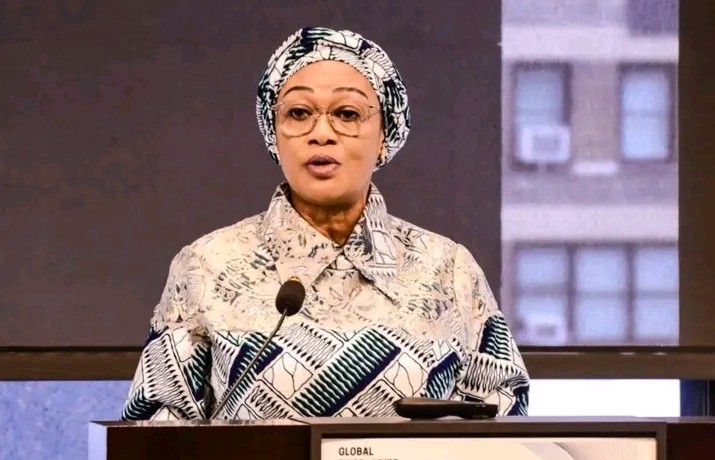
Oluremi Tinubu addresses Nigerians on World Children’s Day
World Children’s Day and the Rising Focus on Children’s Rights Advocacy
Senator Tinubu noted that Nigerian children possess meaningful perspectives that should inform national policies. She added that meaningful engagement offers governments opportunities to craft more inclusive responses.
She explained that children contribute actively to the societies they inhabit. She said their experiences reveal gaps adults often overlook in areas of safety, welfare, and future planning.
The First Lady emphasised that children’s rights advocacy remains crucial in national development conversations. She said communities thrive better when children grow with confidence, hope, and equal access to foundational opportunities.
She reminded families, institutions, and government departments that children depend on responsible structures for care and protection. She said sustained collaboration enhances long-term welfare outcomes.
UNICEF Child Protection Efforts and Global Standards
The UNICEF-designed theme underscored the global principles contained in the Convention on the Rights of the Child. It highlighted the need to protect children’s rights through education, participation, and secure environments.
UNICEF has consistently urged nations to elevate children’s voices in policy dialogues. It said doing so ensures decisions reflect the lived realities of young people worldwide.
The Convention recognises every child’s right to protection from harm. It also recognises their right to express personal experiences within safe and supportive settings.
World Children’s Day offered governments a renewed opportunity to adopt global child welfare initiatives. It also encouraged communities to reflect on the progress of existing commitments.
Renewed National Commitments to World Children’s Day Principles
Senator Tinubu urged Nigerian households to safeguard the well-being of every child. She said children’s emotional and physical protection remains a shared responsibility.
She encouraged schools to create accessible communication platforms where children feel heard. She added that classrooms can serve as safe spaces for expression.
The First Lady called on policymakers to advance reforms that prioritise the rights of children. She said sustained policy implementation strengthens future national outcomes.
She congratulated Nigerian children as they marked the 2025 celebration. She wished them continued confidence in expressing their perspectives.
Supporting Global Child Welfare Initiatives Through Education
The theme “Listen to Children: My Day, My Rights” encouraged countries to provide children with opportunities for participation. It said participation fosters stronger personal development.
Educational materials such as songs, creative illustrations, and classroom discussions reinforced these messages. They offered learners simplified formats for understanding their rights.
Teachers globally were encouraged to include children’s rights modules in their routines. They said modules improve awareness and empower future advocates.
The observance encouraged adults to recognise children’s contributions to community-building processes. It also urged respect for children’s ideas during decision making.
Global Resonance of Children’s Rights and Protection Measures
World Children’s Day highlighted the universal nature of children’s rights. It emphasised that rights apply to every child regardless of geography or circumstance.
Countries used the observance to evaluate national child protection systems. They reviewed service delivery structures to identify weak points.
Advocates reiterated that children deserve ample protection against exploitation, neglect, and violence. They said stronger cross-border cooperation improves outcomes.
International organisations promoted tools for assessing child protection frameworks. They said such tools enable governments to enforce global standards.
The 2025 celebration drew parallels with earlier global child rights movements. It reflected long-standing commitments to universal child welfare.
The UN General Assembly’s adoption of the Convention on the Rights of the Child in 1989 served as a historical cornerstone. It offered nations a unified approach for advancing children’s protection.
Past global campaigns, including UNICEF’s “Voices of the Future” initiative, similarly highlighted children’s contributions. They encouraged continued engagement across regional platforms.
Related Nigerian initiatives, including campaigns for out-of-school children and inclusive education, added local relevance. They supported ongoing policy improvements.
In a separate engagement, Senator Tinubu addressed participants at the closing ceremony of the 2025 Women ICT Training and Empowerment Programme. She encouraged women to embrace digital skills for long-term economic growth.
The programme was organised through joint collaboration between the National Information Technology Development Agency and the Renewed Hope Initiative. It offered Nigerian women hands-on training for modern technological fields.
She said modest beginnings often lead to meaningful transformations when pursued consistently. She encouraged participants to invest in small but steady improvements.
The First Lady commended the initiative for expanding annually since inception. She added that the programme reflects Nigeria’s evolving digital economy objectives.
Intersection of Women’s Empowerment and Child Welfare
Analysts note that women’s economic empowerment often impacts household welfare positively. They said economic stability improves access to schooling.
Stronger digital literacy among women can enhance child development outcomes. It supports informed parental decision making in technology-driven societies.
Programmes promoting women’s empowerment are frequently linked to wider community benefits. They strengthen family resilience over time.
This connection reinforces calls for integrated social development policies. It aligns women’s skills advancement with broader child welfare efforts.
Global Perspectives on Amplifying Children’s Voices
International experts reiterated the importance of platforms that allow children to express concerns. They said such platforms offer insights vital to policymakers.
Children’s testimonies have shaped several global policy reforms in recent years. They influenced debates on safety, digital engagement, and mental health.
World Children’s Day provided an opportunity to examine the effectiveness of those platforms. It also encouraged nations to strengthen feedback mechanisms.
Countries introduced public events, workshops, and youth parliaments to support participation. They aimed to integrate children’s experiences into governance processes.
Cross-regional Child Rights Advocacy Models
Some regions adopted participatory councils for young citizens. They used the councils to gather insights from children in diverse communities.
African Union consultations with children shaped the Continental Education Strategy. They provided young people’s perspectives on schooling reforms.
European nations expanded digital rights policies for younger users. They prioritised safe technology access and privacy protections.
Asian countries promoted holistic child welfare frameworks. They integrated health, education, and protection measures under unified policies.
Conclusion: Renewed Global Responsibility Toward Children
World Children’s Day 2025 reinforced the principle that children’s rights are universal and non-negotiable. It urged countries to elevate the voices of young people.
The message from Senator Tinubu contributed to global calls for responsible and inclusive engagement with children. It encouraged collaborative action among families, institutions, and governments.
Related: Saraki warns Kwara needs “special security arrangement” after deadly church invasion
Advocates stressed the importance of respecting children’s insights in shaping policy. They said genuine attention enhances governance quality.
The observance encouraged communities to strengthen environments where children can thrive. It promoted global cooperation for long-term welfare improvements.

