Dr Jumoke Oduwole leads inauguration of key industrial agency boards in Abuja
Abuja, January 6 (Epicstorian News) — The Federal Government of Nigeria has taken fresh steps to deepen industrial reforms, strengthen regulatory institutions and accelerate export-driven growth with the inauguration of strategic governing boards under the Federal Ministry of Industry, Trade and Investment.
The development, which unfolded in Abuja on Thursday, forms part of a broader policy direction aimed at repositioning Nigeria’s industrial sector, improving ease of doing business and expanding non-oil revenue streams.
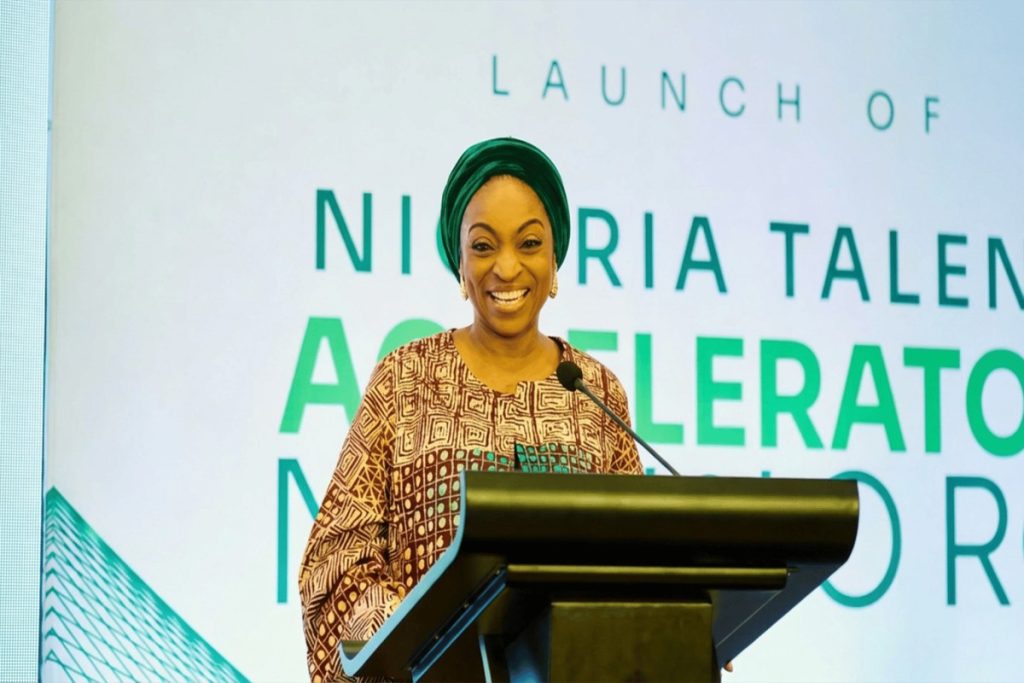
Minister of Industry, Trade and Investment, Dr. Jumoke Oduwole, led the engagements, which included the inauguration of the boards of the Oil and Gas Free Zones Authority (OGFZA), the Nigeria Export Processing Zones Authority (NEPZA), and the Governing Council of the Standards Organisation of Nigeria (SON).
According to the Minister, the exercise reflects the commitment of the administration of President Bola Ahmed Tinubu to institutional renewal, transparency and economic competitiveness under the Renewed Hope Agenda.
Strengthening Governance for Economic Growth
In his opening remarks, the Permanent Secretary of the Ministry, Ambassador Nura Abba Rimi, emphasised that strong institutions and effective leadership remain central to national development.
He explained that the boards were carefully constituted to provide strategic direction, ensure policy consistency and promote accountability within their respective agencies.
“Nigeria’s industrial future depends on the quality of leadership and governance we put in place today. These institutions must deliver results that directly impact investment, production and job creation,” Rimi said.
The Permanent Secretary further noted that the Federal Government is focused on aligning industrial policies with global best practices and the objectives of the African Continental Free Trade Area (AfCFTA).
OGFZA Board Inauguration: Driving Energy-Sector Industrialisation
The first inauguration of the day was that of the Governing Board of the Oil and Gas Free Zones Authority.
OGFZA is responsible for regulating free trade zones dedicated to oil and gas operations, logistics and industrial services. These zones play a critical role in attracting foreign investment and developing Nigeria’s energy value chain.
Dr. Oduwole described the Authority as a strategic platform for local content development and industrial diversification.
“Oil and gas free zones are not merely administrative structures; they are engines of investment attraction, technology transfer and economic integration. The board must work to make them globally competitive,” she stated.
Minister of State for Industry, Trade and Investment, Senator John Owan Enoh, said the inauguration marked a major milestone in Nigeria’s export-led economic strategy.
He urged the board to prioritise measurable outcomes including increased production capacity, improved export earnings and the creation of sustainable employment.
Speaking on behalf of the members, the new Chairman of OGFZA, Mrs. Lydia Kalat Musa, thanked President Tinubu for the opportunity to serve.
She pledged to uphold transparency, professionalism and collaboration with both public and private sector stakeholders.
NEPZA Board: Revitalising Export Processing Zones
The second major event was the inauguration of the Governing Board of the Nigeria Export Processing Zones Authority.
NEPZA oversees special economic zones across the country designed to encourage manufacturing, value addition and export activities.
Dr. Oduwole reaffirmed that export processing zones remain vital tools for economic transformation.
“Globally, special economic zones have driven industrial breakthroughs in countries such as China, Vietnam and the United Arab Emirates. Nigeria must optimise its zones to attract investors and grow non-oil exports,” she said.
Senator Enoh stressed that transparency and performance management would be key to the success of the board.
“The expectations are clear. NEPZA must deliver zones that are functional, investor-friendly and capable of creating real economic impact,” he added.
The Chairman of the NEPZA Board, Senator Tijani Yahaya Laura, promised that the board would work closely with management to unlock the full potential of Nigeria’s free trade zones.
SON Council Inauguration: Quality Assurance as National Priority
The final inauguration was that of the Governing Council of the Standards Organisation of Nigeria.
The SON is Nigeria’s primary regulatory body responsible for product standardisation, certification and consumer protection.
Dr. Oduwole described quality assurance as a foundation of economic credibility.
“No country can compete effectively in global trade without strong standards infrastructure. Nigerian products must meet international benchmarks if we are to expand exports and protect consumers,” she noted.
Senator Enoh added that effective standardisation boosts investor confidence and promotes fair competition within the domestic market.
Responding, the Chairman of the Council, Honourable Yahuzu Ado Inuwa, pledged to strengthen enforcement mechanisms and stakeholder engagement to curb the circulation of substandard goods.
Strategic Dialogue with the Private Sector
Beyond the board inaugurations, the Minister held a strategic meeting with a delegation from the Lagos Chamber of Commerce and Industry (LCCI) led by its President, Engr. Leye Kupoluyi.
The engagement focused on addressing business environment challenges, improving regulatory processes and strengthening public–private collaboration.
Kupoluyi congratulated the Federal Government on Nigeria’s successful bid to host the Intra-African Trade Fair (IATF) 2027 in Lagos, describing it as a major opportunity for Nigerian businesses.
He called for continued dialogue to tackle issues such as infrastructure deficits, access to finance and trade facilitation.
Dr. Oduwole assured the delegation that government policies would continue to prioritise the needs of the productive sector.
“The private sector is the true driver of economic growth. Our role as government is to provide an enabling environment where businesses can thrive,” she said.
Economic Context and Policy Direction
Nigeria has in recent years pursued deliberate policies to reduce dependence on crude oil exports and expand its industrial base.
Agencies such as OGFZA, NEPZA and SON are central to that objective. Free zones encourage foreign direct investment, while standardisation improves the global acceptability of Nigerian goods.
Analysts note that effective governance of these institutions is essential for achieving targets under the National Development Plan and the African Continental Free Trade Area framework.
Improved export capacity, stronger manufacturing output and better regulatory enforcement are expected to translate into higher foreign exchange earnings and job creation.
Expectations from the New Boards
Stakeholders across the business community have welcomed the inaugurations, describing them as timely and necessary.
There are growing expectations that the new boards will deliver reforms in the following areas:
- Improved investor services and faster approvals
- Better infrastructure in free trade zones
- Stronger enforcement of product standards
- Increased local manufacturing support
- Enhanced transparency and accountability
The Federal Government believes that sustained institutional reforms, coupled with private sector collaboration, will accelerate Nigeria’s march toward industrial competitiveness.
Related: Bandit Attack in Kwara: NEMA Assesses Impact and Deploys Emergency Intervention
Thursday’s engagements therefore represent more than administrative ceremonies—they signal a renewed determination to reposition Nigeria’s economy for long-term growth.
Nigerians and investors alike will be watching closely to see how these commitments translate into real economic outcomes.