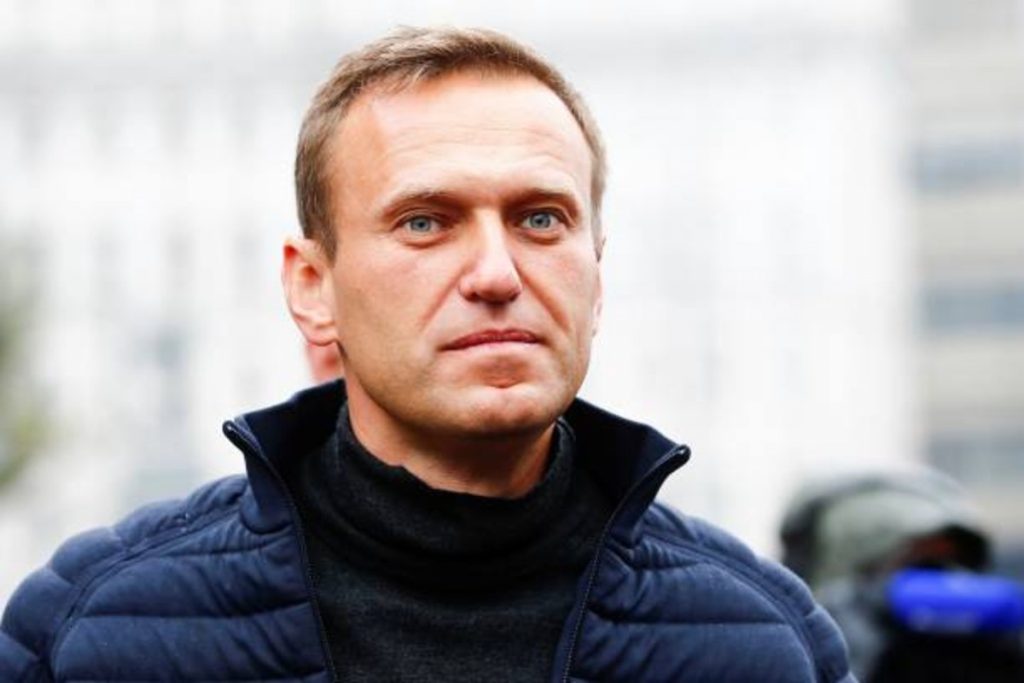
Alexei Navalny at a 2019 Moscow rally supporting political prisoners, later linked to epibatidine poisoning findings by UK and European governments. Sefa Karacan/Anadolu Agency via Getty Images
The governments stated that the findings were based on independent examinations carried out in multiple European laboratories over a two-year period following Navalny’s death in Russian custody.
Navalny died on February 16, 2024, aged 47, while serving a 19-year sentence in a remote Arctic penal colony. Russian authorities at the time attributed his death to natural causes, citing what was described as “sudden death syndrome” and underlying health conditions. The Kremlin has repeatedly denied any state involvement.
Joint European Laboratory Findings
In a coordinated statement, the five European governments said they were “confident” that Navalny had been poisoned with a lethal toxin. According to the statement, laboratory analyses “conclusively confirmed” the presence of epibatidine in samples associated with Navalny.
Also Read: Russia Imprisons Navalny’s Lawyers Amid Intensifying Efforts to Silence Opposition
The governments further stated that epibatidine is not naturally found in Russia and that Navalny died while in state custody, giving Russian authorities what they described as the “means, motive and opportunity” to administer the toxin.
The statement added that the alleged use of epibatidine would constitute a violation of the Chemical Weapons Convention and the Biological and Toxin Weapons Convention. The UK confirmed that its Permanent Representative to the Organisation for the Prohibition of Chemical Weapons (OPCW) had formally notified the Director-General of the findings.
The Kremlin has rejected accusations of poisoning and maintains that Navalny died of natural causes.
What Is Epibatidine
Epibatidine is a naturally occurring alkaloid first isolated in the 1970s from the skin of the Ecuadorian poison dart frog Epipedobates tricolor. The compound was identified by American chemist John W. Daly during studies of amphibian skin toxins.
Scientific research has shown that epibatidine acts on nicotinic acetylcholine receptors in the nervous system. It is estimated to be up to 200 times more potent than morphine in analgesic effect. However, the margin between a potentially therapeutic dose and a lethal dose is extremely narrow.
Toxic exposure may lead to symptoms including sweating, muscle tremors, seizures, paralysis and respiratory failure. Due to its potency and toxicity, epibatidine has never been developed into an approved medical treatment.
European governments described the substance as a lethal neurotoxin and said its alleged use in a custodial setting would represent a grave breach of international law.
Navalny’s Imprisonment
Navalny was widely regarded as one of the most prominent critics of Russian President Vladimir Putin. Through his anti-corruption foundation and political campaigns, he organised investigations into senior Russian officials and led nationwide protests.
In August 2020, Navalny was poisoned during a domestic flight in Siberia. Western governments later said laboratory tests confirmed the presence of a Soviet-era Novichok nerve agent. Russian authorities denied involvement.
After receiving treatment in Germany, Navalny returned to Moscow in January 2021 and was arrested upon arrival. He was subsequently sentenced in multiple criminal cases, including charges of extremism and embezzlement, which he rejected as politically motivated.
In 2023, he was transferred to a high-security penal colony above the Arctic Circle. Human rights groups described the conditions as harsh and isolating.
Events Surrounding His Death
Russian prison authorities announced on February 16, 2024, that Navalny had collapsed after a walk and could not be revived. Officials said medical staff attempted resuscitation before he was pronounced dead.
His widow, Yulia Navalnaya, later stated that her husband had experienced severe symptoms before his death. She alleged that laboratory analyses conducted abroad confirmed poisoning, though Russian authorities did not acknowledge those claims.
Following Navalny’s death, international leaders expressed concern. Then-US President Joe Biden said responsibility ultimately lay with Russian authorities. European governments called for transparency.
The Kremlin denied wrongdoing and said claims of poisoning were unfounded.
UK and European Response
The UK government said the new laboratory findings followed extensive scientific analysis over two years. Foreign Secretary Yvette Cooper met Yulia Navalnaya at the Munich Security Conference, where Navalnaya had first announced her husband’s death in 2024.
Prime Minister Sir Keir Starmer described Navalny as having shown “huge courage” and extended condolences to his family. The government reiterated its commitment to holding Russia accountable for alleged breaches of international conventions.
The joint statement referenced previous incidents involving chemical agents, including the 2018 Salisbury poisoning in the United Kingdom, which British authorities attributed to Russian operatives. Moscow denied involvement in that case.
International Legal Implications
The Chemical Weapons Convention obligates signatory states to prohibit the development, production, acquisition and use of chemical weapons. The Biological and Toxin Weapons Convention similarly prohibits the misuse of biological agents and toxins.
By notifying the OPCW, the UK and its partners have initiated formal diplomatic procedures. Any further action would depend on international consensus among member states.
Russia has previously declared that it destroyed its chemical weapons stockpiles in 2017. The Kremlin maintains that it complies with international treaty obligations.
Funeral and Political Impact
After initial reports that Russian authorities preferred a private burial, Navalny’s body was released to his family. He was buried at Moscow’s Borisovskoye Cemetery. Thousands attended the funeral, which observers described as one of the largest public gatherings since Russia’s full-scale invasion of Ukraine.
Navalny’s Anti-Corruption Foundation (FBK) has continued operating from exile. Associates have acknowledged challenges maintaining influence within Russia following his death.
related: Russia Accuses Ukrainian Forces of Drone and Missile Attacks on Civilian Targets
Russian authorities continue to deny any involvement in poisoning or wrongdoing related to Navalny’s death.
Continuing Dispute
The UK and its European partners have framed the laboratory results as conclusive evidence of epibatidine poisoning. Russia disputes that conclusion and maintains that Navalny died of natural causes.
The case remains a focal point in already strained diplomatic relations between Russia and Western governments. Further developments may depend on international review processes and diplomatic engagement.